
Your cart is currently empty!
Understanding the Science Behind Super El Niño
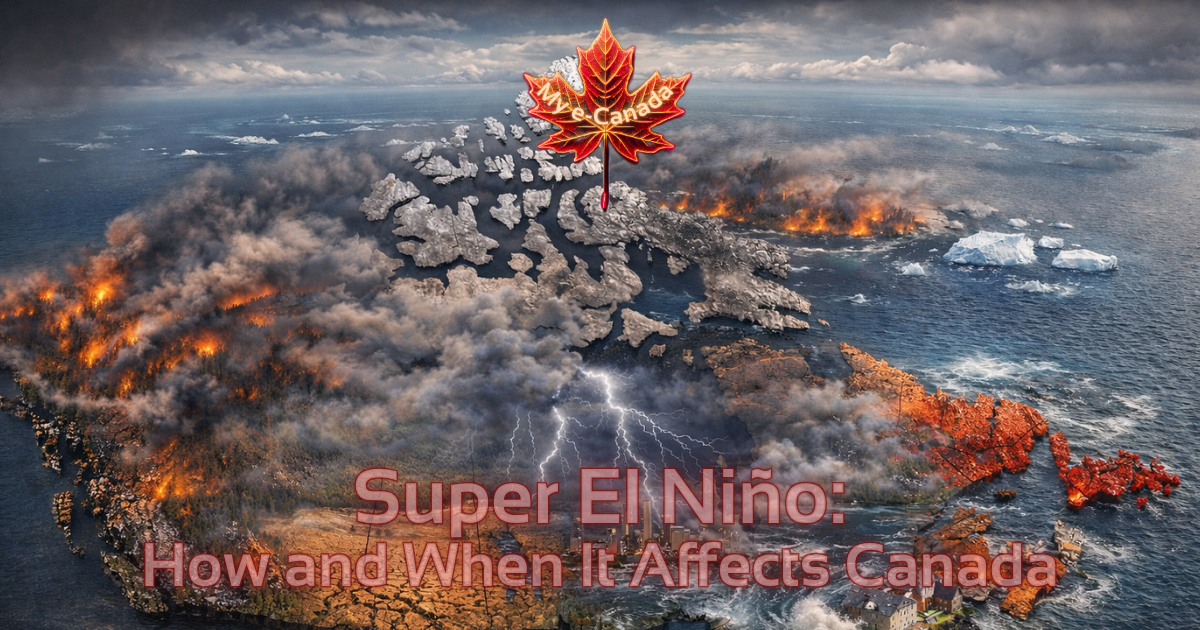
Wednesday, June 3, 2026, My e‑Canada Word On The Street Investigative News Exposé explores Super El Niño and its affects on Canada. A Super El Niño is an extreme climate event. It forms when Pacific waters warm far above normal. This warming disrupts global weather. It shifts jet streams and storm tracks. It redistributes heat across continents. Scientists have studied these events for decades. The strongest occurred in 1982–83, 1997–98, and 2015–16. Each reshaped global climate patterns. Canada felt the effects every time.
The process begins with weakened trade winds. These winds normally push warm water west. When they weaken, warm water moves east. This movement releases huge amounts of heat. The Pacific then becomes a powerful climate engine. The heat influences weather worldwide. Canada is especially sensitive to these shifts. Its climate depends heavily on Pacific patterns.
A Super El Niño interacts with long‑term warming. Rising global temperatures amplify its effects. Warmer oceans store more energy. This energy fuels stronger anomalies. Canadian climatologists warn that 2026–27 could be historic. They expect major disruptions across the country. Impacts will vary by region. Some areas will warm dramatically. Others will face heavy rain or drought. Timing will also differ. Most effects will peak in winter and early 2027.
Environment and Climate Change Canada continues monitoring. Their models show a clear warming trend. They expect the Super El Niño to intensify through late 2026. Canadians should prepare for significant changes. This event will test infrastructure, agriculture, and emergency planning. The coming months will reveal its full reach.
My e-Canada Word On The Street:
Digitally Yours To Explore
The Global Climate Engine and Its Canadian Reach
El Niño events influence weather worldwide. A strong event magnifies these effects. Canada sits downstream of major Pacific airflows. This position makes the country vulnerable. The Pacific jet stream often shifts south. This shift changes storm paths. It also alters temperature patterns. The result is a cascade of unusual conditions.
Canada’s climate depends on several systems. The Pacific Decadal Oscillation, Arctic Oscillation, and jet stream all matter. A strong event disrupts these systems. It weakens typical winter patterns. It reduces Arctic air intrusions. It increases warm Pacific air flows. These changes reshape seasonal expectations. Winter becomes milder. Snowfall decreases in many regions. Rain becomes more common. The Super El Niño will influence these shifts.
The impacts will not be uniform. Western Canada will warm the most. The Prairies will dry significantly. Central Canada will see reduced snowfall. Atlantic Canada will experience fewer major storms. Northern Canada will warm sharply. These changes will stress ecosystems. They will challenge communities.
Global impacts also matter. A strong event affects agriculture worldwide. Droughts and floods disrupt food production. These disruptions raise global prices. Canada imports many foods. Higher global prices will affect households. Supply chains may also face pressure. Extreme weather elsewhere can slow shipping. These delays increase costs.
Canadian researchers track these global links. They warn that 2027 could be extremely warm. The Pacific will release stored heat. This release will raise global temperatures. Canada will feel this strongly. The event will shape weather, economics, and public health. Canadians must understand these connections. Awareness will help communities prepare.
The Timeline of Peak Impacts During Super El Niño
The Super El Niño will not affect Canada immediately. Its strongest impacts will arrive later. The Pacific Ocean absorbs enormous heat. This heat takes months to influence global weather. The event is developing through 2026. However, the most significant changes will appear in winter. They will continue into 2027. This delay is typical for strong events.
Summer 2026 will feel relatively normal. Temperatures may rise slightly. Rainfall patterns may shift. But major disruptions will not occur yet. The Pacific heat remains stored below the surface. It has not fully entered the atmosphere. Once it does, global patterns will shift quickly. Canada will then experience dramatic changes.
Winter 2026–27 will be the turning point. The jet stream will shift south. Warm Pacific air will dominate. Arctic air outbreaks will weaken. Snowfall will decrease in many regions. Rain will become more common. Flooding risks will rise. Western Canada will warm sharply. The Prairies will dry further. Central Canada will see mild conditions. Atlantic Canada will face fewer major storms.
Spring 2027 will also feel the effects. Snowpacks will be thin. Rivers will run lower. Drought risks will increase. Wildfire season may start early. Smoke could spread across provinces. Public health concerns will rise. Communities must prepare.
Environment and Climate Change Canada expects 2027 to be extremely warm. The Pacific will release stored heat. This release will raise global temperatures. Canada will feel this strongly. The Super El Niño will shape weather patterns for months. Canadians should monitor forecasts closely.
Winter Softening and Regional Splits
El Niño events often soften Canadian winters. A strong event amplifies this effect. The jet stream shifts south. Warm Pacific air flows into Canada. Arctic air stays farther north. This pattern creates milder conditions. Snowfall decreases in many regions. Rain becomes more common. The impacts vary by region. Each province and territory will experience different conditions. The Super El Niño will influence these patterns.
Western Canada will warm significantly. British Columbia will see mild temperatures. Snowfall will decrease in many areas. The Coast Mountains may receive more rain. Interior regions may see reduced snowpacks. Alberta will warm sharply. Chinook winds may become more frequent. Saskatchewan and Manitoba will experience dry conditions. Snowfall will drop. Drought risks will rise.
Central Canada will also warm. Ontario will see fewer cold snaps. Snowfall will decrease. Rain events will increase. Quebec will experience similar conditions. The St. Lawrence Valley may see frequent rain. Snowstorms will be less intense. Ice formation on rivers may weaken.
Atlantic Canada will experience milder conditions. Storm tracks will shift south. Fewer major systems will reach the region. Snowfall will decrease. Rain will increase. The hurricane season may be quieter. Tropical systems may weaken before reaching the coast.
Northern Canada will warm dramatically. Arctic regions are highly sensitive. Winter temperatures may rise several degrees. Sea ice formation may weaken. Communities may face travel challenges. Wildlife patterns may shift.
These regional differences matter. They affect infrastructure, transportation, and ecosystems. Canadians must understand these patterns. Preparation will help reduce risks.
Western Canada: British Columbia’s Super El Niño Outlook
British Columbia will feel strong effects from the Super El Niño. The province sits close to Pacific influences. Warm air will dominate winter patterns. Snowfall will decrease in many regions. Rain will become more common. The Coast Mountains may see heavy rainfall. This shift could increase flood risks. Interior regions may face reduced snowpacks. These changes will affect water supplies.
Atmospheric rivers may intensify. These events bring heavy rain. They can cause flooding and landslides. Communities must prepare for these risks. Storm tracks may shift south. Fewer major systems may hit the coast. But rainfall intensity may increase.
Interior British Columbia will warm significantly. Ski resorts may face challenges. Snowfall may be inconsistent. Lower elevations may see rain instead of snow. This shift affects tourism. It also affects ecosystems. Wildlife may alter migration patterns. Forests may dry earlier in spring. Wildfire risks may rise.
Northern British Columbia will also warm. Winter temperatures may rise several degrees. Snowpacks may thin. Rivers may run lower in spring. Communities that rely on winter roads may face challenges. Ice formation may weaken. Travel may become less predictable.
Coastal communities may see rising sea levels. Storm surges may increase. Infrastructure may face stress. Emergency planning will be essential. Agriculture may also feel impacts. Fruit trees may bloom early. Frost risks may increase. Water availability may change. The province must prepare.

The Prairies: Alberta’s Super El Niño Forecast
Alberta will experience major changes during the Super El Niño. The province will warm significantly. Winter temperatures may rise several degrees. Snowfall will decrease. Rain may replace snow in some areas. Chinook winds may become more frequent. These winds warm the region quickly. They can melt snow rapidly. This shift affects water supplies and soil moisture.
Drought conditions will intensify. Alberta has faced dry years recently. Reduced snowfall will worsen this trend. Spring runoff may be limited. Rivers may run lower. Reservoirs may face pressure. Farmers will feel these impacts. Crop yields may decline. Livestock operations may face water shortages. These challenges will affect rural communities.
Wildfire risks will rise sharply. Dry conditions create fuel. Warm temperatures accelerate drying. Spring may bring early fire activity. Smoke may spread across the province. Public health concerns will increase. Seniors and vulnerable groups may face respiratory strain. Communities must prepare for these risks.
Northern Alberta will also warm. Winter roads may weaken. Ice formation may be unreliable. Remote communities may face challenges. Transportation costs may rise. Supply chains may slow. These changes affect daily life. Essential goods may become harder to deliver.
The energy sector may also feel impacts. Warm winters reduce natural gas demand. This shift affects markets. Infrastructure may face stress from freeze‑thaw cycles. Roads may deteriorate faster. Maintenance costs may rise. The province must prepare for these pressures.
The Super El Niño will shape Alberta’s climate for months. Residents must monitor forecasts. Preparation will be essential. The coming winter will test resilience. Alberta has faced climate challenges before. This event will add new pressures across the province.
Saskatchewan and Manitoba: Prairie Drying Under Super El Niño
Saskatchewan and Manitoba will face significant drying during the Super El Niño. These provinces rely heavily on winter snowpacks. Snow provides essential moisture for spring growth. Reduced snowfall will strain water supplies. Rain may replace snow in some areas. This shift affects agriculture. Farmers depend on spring moisture. Dry soils reduce crop yields and increase stress on livestock.
The region will warm noticeably. Winter temperatures may rise several degrees. Cold snaps will be less frequent. Snowfall will decrease. Blowing snow events may decline. Rain events may increase. These changes affect transportation. Roads may become icy. Freeze‑thaw cycles may increase. Infrastructure may face stress. Municipalities may see higher maintenance costs.
Drought risks will intensify. Saskatchewan has faced severe drought recently. Reduced snowfall will worsen conditions. Manitoba may also face dry conditions. Rivers may run lower. Reservoirs may face pressure. Communities must prepare for water shortages. Rural areas may feel the strongest impacts.
Wildfire risks will rise sharply. Dry grasslands ignite easily. Warm temperatures accelerate drying. Spring may bring early fire activity. Smoke may spread across provinces. Public health concerns will increase. Emergency planning will be essential.
Ecosystems will also feel impacts. Wetlands may shrink. Bird populations may shift. Wildlife may alter migration patterns. These changes affect biodiversity. Conservation efforts may face challenges.
Agriculture will feel the strongest impacts. Farmers must adapt. Irrigation demands may rise. Crop choices may shift. Livestock operations may face water shortages. The Super El Niño will test the region’s resilience. Communities must prepare for these challenges. The coming months will be critical for the Prairies.
Ontario’s Winter Outlook During Super El Niño
Ontario will experience milder conditions during the Super El Niño. Winter temperatures will rise. Cold snaps will be less frequent. Snowfall will decrease. Rain events will increase. These changes will reshape seasonal expectations. The province must prepare for shifting patterns.
Southern Ontario will warm significantly. Cities like Toronto, Hamilton, and Windsor may see frequent rain. Snowstorms will be less intense. Snow accumulation may be limited. Ice storms may become more common. Freeze‑thaw cycles may increase. Roads may become hazardous. Infrastructure may face stress. Municipal budgets may feel pressure.
Central Ontario will also warm. Cottage country may see reduced snowfall. Lakes may freeze later. Ice thickness may weaken. Winter recreation may be affected. Snowmobile trails may open late. Ski resorts may face challenges. Rain may fall during winter months. Tourism may decline.
Northern Ontario will warm sharply. Winter temperatures may rise several degrees. Snowfall may decrease. Rain may fall in some areas. Ice roads may weaken. Remote communities may face challenges. Transportation may become unpredictable. Supply chains may slow. Essential goods may become harder to deliver.
Spring 2027 will also feel the effects. Snowpacks will be thin. Rivers may run lower. Flood risks may shift. Heavy rain events may occur. Communities must prepare for these changes.
Ontario’s agriculture sector may also feel impacts. Warmer winters may affect crops. Fruit trees may bloom early. Frost risks may increase. Farmers must monitor conditions closely. Water availability may also change. Reduced snowpacks affect soil moisture. The province must prepare for these challenges.
Quebec’s Climate Shifts Under Super El Niño
Quebec will experience significant changes during the Super El Niño. Winter temperatures will rise. Snowfall will decrease. Rain events will increase. These shifts will affect communities across the province. Seasonal expectations will change dramatically.
Southern Quebec will warm noticeably. Montreal and surrounding regions may see frequent rain. Snowstorms may be less intense. Snow accumulation may be limited. Ice formation may weaken. Roads may become hazardous. Freeze‑thaw cycles may increase. Infrastructure may face stress. Municipalities may see higher maintenance costs.
The St. Lawrence Valley will experience major changes. Warm Pacific air will dominate. Snowfall will decrease. Rain may fall during winter months. Fog may become more common. Travel conditions may worsen. Communities must prepare for these shifts.
Northern Quebec will also warm. Winter temperatures may rise several degrees. Snowfall may decrease. Ice roads may weaken. Remote communities may face challenges. Transportation may become unpredictable. Wildlife patterns may shift. Hunters may face difficulties. Traditional practices may be affected.
Spring 2027 will also feel the effects. Snowpacks will be thin. Rivers may run lower. Flood risks may shift. Heavy rain events may occur. Communities must prepare for these changes.
Quebec’s hydroelectric system may also feel impacts. Reduced snowpacks affect water levels. Reservoirs may face pressure. Energy production may fluctuate. The province must monitor conditions closely.
Agriculture will also be affected. Warmer winters may alter crop cycles. Fruit trees may bloom early. Frost risks may increase. Farmers must adapt. The Super El Niño will test Quebec’s resilience. Preparation will be essential.
Atlantic Canada: Storm Patterns and Super El Niño
The Atlantic Provinces of Canada will experience milder conditions during the Super El Niño. Winter temperatures will rise. Snowfall will decrease. Rain events will increase. Storm tracks will shift south. Fewer major systems may reach the region. The hurricane season may be quieter. Tropical storms may weaken before landfall.
Nova Scotia will warm significantly. Snowfall may decrease. Rain may fall during winter months. Coastal flooding risks may rise. Storm surges may increase. Communities must prepare for these shifts. Infrastructure may face stress.
New Brunswick will also warm. Snowfall may decrease. Rain events may increase. Ice formation may weaken. Roads may become hazardous. Freeze‑thaw cycles may increase. Municipalities may face higher maintenance costs.
Prince Edward Island will experience similar changes. Snowfall may decrease. Rain may fall more often. Coastal erosion may increase. Storm surges may affect low‑lying areas. Communities must prepare. Fisheries may also feel impacts.
Newfoundland and Labrador will warm noticeably. Snowfall may decrease. Rain may fall during winter months. Ice formation may weaken. Coastal communities may face challenges. Storm patterns may shift. Travel conditions may change.
Spring 2027 will also feel the effects. Snowpacks will be thin. Rivers may run lower. Flood risks may shift. Heavy rain events may occur. Communities must prepare.
Fisheries may also feel impacts. Warmer waters may alter species distribution. Some species may move north. Others may decline. The region must monitor these changes. The Super El Niño will shape conditions across Atlantic Canada.

Northern Canada: Arctic Warming Under Super El Niño
Northern Territories of Canada will warm dramatically during the Super El Niño. Nunavut, Northwest Territories, and the Yukon are extremely sensitive to climate shifts. Winter temperatures may rise several degrees. Snowfall may decrease. Rain may fall during winter months. These changes will affect daily life. Communities must prepare for major disruptions.
Sea ice formation will weaken. Ice thickness may decrease. Travel on winter roads may become dangerous. Remote communities rely on these routes. Supply chains may face delays. Essential goods may become harder to deliver. Hunters may face challenges. Wildlife patterns may shift. Caribou migrations may change. Polar bears may face habitat stress.
Permafrost thaw will accelerate. Warmer temperatures destabilize frozen ground. Buildings may shift. Roads may buckle. Infrastructure repairs may increase. Communities must prepare for these risks. Emergency planning will be essential.
Northern ecosystems will feel strong impacts. Species may shift ranges. Some may decline. Others may expand. These changes affect food security. Traditional practices may face challenges. Elders warn that weather patterns are becoming unpredictable. Hunters may need to adjust travel routes. Safety concerns will rise.
Spring 2027 will also feel the effects. Snowpacks will be thin. Rivers may run lower. Ice breakup may occur earlier. Travel conditions may change. Communities must adapt quickly. The Super El Niño will shape the Arctic for months. Residents must prepare for unprecedented conditions.
Northern Canada has faced climate change for decades. This event will accelerate existing trends. The region must monitor conditions closely. Collaboration between communities and governments will be essential. The coming winter will be historic. The Super El Niño will leave a lasting mark on the North.
Amplified Weather Extremes Across Canada
A strong climate event amplifies weather extremes. It disrupts natural patterns. Some regions receive heavy precipitation. Others receive very little. This imbalance creates challenges. Canada will experience these extremes. Communities must prepare for shifting conditions. The Super El Niño will influence these extremes.
Heavy rain events may increase. Warm air holds more moisture. When storms form, they release intense rainfall. Flooding risks rise. Urban areas may face drainage issues. Rural areas may see washed‑out roads. Rivers may overflow. Communities must prepare for these risks. Emergency planning will be essential.
Drought conditions may also intensify. Some regions will receive little precipitation. Snowpacks may be thin. Spring runoff may be limited. Reservoirs may face pressure. Farmers may struggle. Wildfire risks will rise. Smoke may spread across provinces. Public health concerns will increase. Vulnerable groups may face respiratory strain.
Temperature extremes will also shift. Warm spells may occur in winter. Cold snaps may be brief. Freeze‑thaw cycles may increase. Infrastructure may face stress. Roads may deteriorate faster. Municipal budgets may feel pressure. Communities must prepare for these challenges.
Storm patterns will also change. Some regions may see fewer storms. Others may see more intense systems. Atlantic Canada may experience quieter hurricane seasons. Western Canada may face stronger atmospheric rivers. These shifts affect transportation, infrastructure, and safety.
The Super El Niño will shape Canada’s climate for months. Canadians must understand these extremes. Awareness will help communities prepare. The coming winter will test resilience. This event will influence weather across the country. Preparation will be essential.
Heightened Rain and Flooding Risks During Super El Niño
Canada will face heightened rain and flooding risks during the Super El Niño. Warm air holds more moisture. When storms form, they release intense rainfall. This shift increases flooding risks. Communities across the country must prepare.
British Columbia will face major challenges. Atmospheric rivers may intensify. These systems bring heavy rain. They can cause flooding and landslides. Coastal communities may face storm surges. Interior regions may see swollen rivers. Reduced snowpacks may shift runoff timing. Spring floods may occur earlier.
The Prairies may also face flooding. Rain may fall on frozen ground. This combination increases runoff. Rivers may rise quickly. Low‑lying areas may flood. Rural roads may wash out. Communities must prepare for these risks. Emergency planning will be essential.
Ontario and Quebec will also face challenges. Rain may fall during winter months. Snowpacks may melt quickly. Rivers may overflow. Urban areas may face drainage issues. Ice jams may form. These jams can cause sudden flooding. Municipalities must prepare.
New Brunswick, Nova Scotia, Prince Edward Island, Newfoundland and Labrador may all see coastal flooding. Storm surges may increase as well. Rain may fall during winter months. Snowmelt may combine with heavy rain. This combination increases risks. Communities must prepare for these shifts.
Nunavut, Northwest Territories, and the Yukon may also face flooding. Rain may fall on snow. Ice breakup may occur earlier. Rivers may rise quickly. Remote communities may face challenges. Travel routes may be affected.
The Super El Niño will shape precipitation patterns. Canadians must understand these risks. Preparation will help reduce impacts. Flooding can damage homes, roads, and infrastructure. Communities must monitor forecasts closely. The coming months will be critical.
Wildfires and Health Implications Under Super El Niño
Wildfire risks will rise sharply during the Super El Niño. Dry conditions create fuel. Warm temperatures accelerate drying. Reduced snowpacks worsen the situation. Spring may bring early fire activity. Communities must prepare for these risks.
The Western Provinces of Canada will face the greatest danger. British Columbia, Alberta, and Saskatchewan have endured severe wildfires recently. Dry forests ignite easily. Grasslands may burn quickly. Winds may spread flames. Fire crews may face long seasons. Smoke may travel across provinces. Public health concerns will increase. Seniors and vulnerable groups may face respiratory strain. The Super El Niño will influence these risks.
Northern Canada will also face challenges. The Northwest Territories and the Yukon Boreal forests may dry early. Lightning storms may ignite fires. Remote communities may face evacuation risks. Smoke may affect travel. Air quality may decline. Hunters may face challenges. Wildlife may shift ranges towards Nunavut.
Central Canada may also feel impacts. Ontario and Manitoba have large forested regions. Dry conditions may increase fire activity. Smoke may spread into cities. Air quality alerts may become common. Residents must prepare.
Atlantic Canada may face fewer fires. However, dry conditions may still create risks. Grasslands may ignite. Rural areas may face challenges. Communities must remain vigilant.
Health impacts will be significant. Smoke contains harmful particles. These particles affect lungs and hearts. Hospitals may see increased visits. Vulnerable groups may face serious risks. Public health agencies must prepare.
The Super El Niño will shape wildfire seasons. Canadians must understand these risks. Preparation will help reduce impacts. Fire crews will face long, difficult seasons. Communities must monitor conditions closely. The coming months will be challenging.

Knowing Makes All The Difference
Final Word On The Street: Super El Niño Affects On Canada
Canada stands at the edge of a historic climate event. The Super El Niño will reshape weather patterns across the country. Its effects will vary by region. Some areas will warm dramatically. Others will face heavy rain or drought. The impacts will unfold over months. Winter 2026–27 will be the turning point. Spring 2027 will also feel the effects. Canadians must prepare for these changes.
The event will influence every province and territory. British Columbia will face heavy rain and reduced snowpacks. Alberta will warm sharply. Saskatchewan and Manitoba will face drought risks. Ontario and Quebec will see milder winters. New Brunswick, Nova Scotia, Prince Edward Island, and Newfoundland and Labrador will experience shifting storm patterns. Nunavut, the Northwest Territories, and the Yukon will warm dramatically. These changes will affect communities, ecosystems, and infrastructure.
The Super El Niño will also influence global systems. Food production may decline. Prices may rise. Supply chains may face pressure. Canadians may feel these impacts. Awareness will help communities prepare. Emergency planning will be essential. Governments must support vulnerable groups. Collaboration will be crucial.
This exposé highlights the importance of preparation. Canadians must monitor forecasts. They must understand regional risks. Communities must strengthen resilience. The coming months will test the country. The Super El Niño will leave a lasting mark. Canada must be ready.
Thank you for reading this investigative news exposé. We virtually remain My e‑Canada Word On The Street: Digitally Yours To Explore
2026 climate event, Alberta climate, Arctic warming, Atlantic Canada storms, atmospheric rivers, British Columbia weather, Canada climate impacts, Canadian Agriculture, Canadian weather, Client Scout, climate resilience, climate science, Digitally Yours To Explore, drought risk, El Niño, emergency preparedness, Environment and Climate Change Canada, extreme weather, flooding risk, food security, global warming, hurricane season Canada, Manitoba climate, My e‑Canada Word On The Street, Northern Canada, Ontario winter, Pacific warming, Prairie drought, public health impacts, Quebec climate shift, Saskatchewan weather, Super El Niño, Wayne A. Cargill Agency, wildfire season
Leave a Reply