
Your cart is currently empty!


Frugal Grocery Budget: 2 Dine For Under 6 Dollars Daily
This exposé by My e-Canada Word On The Street explores a frugal grocery budget. These Vancouver newlyweds explain how the two dine for under 6 dollars daily. This is despite the high cost of groceries. Michelle and Thomas wed recently. They are the architects of this plan. They are documented on the YouTube channel @MichellesHomemaking. They decided to create this budget to reach financial goals. This is an intentional sixteen-week challenge. Their groceries primarily consist of bulk grains. They use seasonal root vegetables. They also use versatile legumes. The financial benefits are immense. They save nearly one thousand dollars monthly. The health factor remains high. This is due to the lack of processed sugars. Both report being happy. They are less stressed about their financial future.
Meet the Masterclass of Savings
Michelle and Thomas are newlyweds living in Metro Vancouver. They chose to make this frugal grocery budget a targeted experiment. This is not a permanent lifestyle for them. Michelle is a homemaker. She manages the household organization. She also handles all meal planning. Thomas supports their digital documentation. They represent Canadians fighting rising food costs. Before this, they spent up to 1,100 dollars monthly. They also spent 400 dollars on meal deliveries. They saw that food was their only flexible expense. They decided to see how low they could go. Their journey is a timed experiment. It tests their discipline and financial endurance.
The Decision to Cut Costs
The couple decided to pivot recently to a frugal grocery budget. They saw that convenience was draining their potential. They wanted to break the cycle of high consumption. They also wanted to end their takeout dependency. This gives them agency over their finances. Michelle noted the mental strain of this budget. It requires constant vigilance and deep planning.
“To me, 20 minutes a week just to write down what I have, what I can make, and then just make sure my list is complete… it’s really worth the time for me.”
They chose a target of$40.00 per week. This breaks down to $5.71 per day for two. It is a rigorous test of their discipline. They had to forgo all convenience foods. Every meal is planned with precision. This ensures they remain fed throughout the week.
What the Groceries Consist Of In A Frugal Grocery Budget
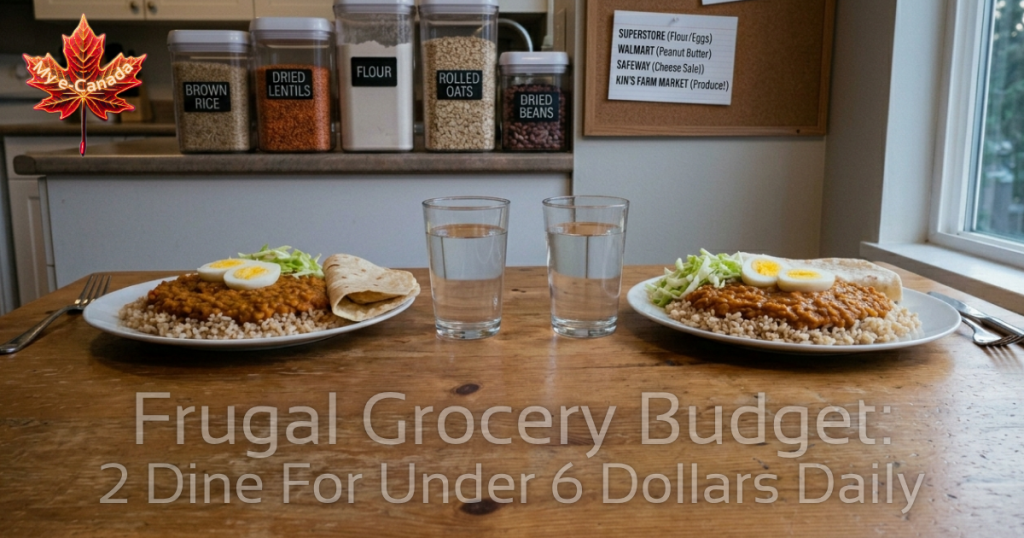
Their weekly haul focuses on low-cost nutrition. The budget is strictly divided. They spend 35 dollars on food. They spend 5 dollars on household supplies. Their staples include flour, rice, and pasta. They also buy large flats of eggs. Meat is almost entirely absent from their diet. By week 12, they only bought meat once. Protein comes from dried beans and legumes. Michelle prepares these in large batches from scratch.
“I thought I had almost nothing on hand to really work with, and it turns out I have a lot of different options that I can work with.”
Cheese is a once-a-month splurge. It is not a daily staple. Oats serve as the foundation for breakfast. They rely on local discount produce markets. They buy essentials like onions and potatoes there.

Bohemian e-Art:
Art Is Life And Life Is Art
Immense Financial Benefits
The impact has been a rapid growth in savings. They spend under 6 dollars a day. This reclaims nearly a thousand dollars a month. That money was previously lost to inflation. It was also lost to delivery fees. The surplus from a frugal grocery budget goes toward aggressive financial goals. These goals were set early this year. The discipline provides a new perspective on money. They now see the difference between needs and wants.
“The magic is mostly in my freezer… I did throw a lot of things in here before they went bad so I do have quite a few ingredients to work with.”
However, they acknowledge that the challenge relies on supplemental help, such as monthly dinners at Michelle’s mother’s house, which provide much-needed protein and leftovers for their freezer.
The 16-Week Challenge Reality
Michelle says this level of a frugal grocery budget is not sustainable. It is not a long-term way of life. The couple views this as a short-term sprint. It will end in the spring of 2026. They have a specific reward in mind. They want to eat pizza and hamburgers. They acknowledge the mental toll of this work. Michelle must remember to soak beans every night. Cooking while tired is very stressful. There is no budget for a night off. There is no money for a quick snack. This budget is a temporary financial tool. It is not a permanent lifestyle change.
Navigating Local Discount Grocers
Michelle spends significant time scouting for deals. She often visits four different stores a week. She cross-references flyers to find low prices. She knows which store is cheapest for each item. For example, she buys flour and eggs at major chains. She might go to a discount retailer for peanut butter. In North Vancouver, she visits specialized produce markets. In North Vancouver, she visits specialized produce markets.
“I always recommend looking for clearance items every week too… about 5 or 10 dollars in the budget always goes to looking for extreme sales and clearance items to help add to the stock.”
She also frequents independent grocers. This keeps her within the 35-dollar food limit. A frugal grocery budget requires deep knowledge of local pricing. She travels to multiple locations to save every cent.
The Canadian Food Guide
The history of the Canadian Food Guide dates back to World War II. The first “Official Food Rules” were released in 1942. This was meant to prevent wartime nutritional deficiencies. Today, the guide is a modern policy document. It provides clear dietary patterns for all Canadians. It is designed to promote overall health. The government wants citizens to follow these patterns. This helps reduce chronic diseases like diabetes. It also helps with heart disease and obesity. Balanced intake alleviates pressure on the healthcare system. It improves the general well-being of the population. It remains the cornerstone of nutrition education. It encourages a variety of healthy foods every day. This resource informs everybody in Canada of proportional meal choice.
Breakfast
The guide suggests starting with grains and protein. A typical breakfast includes whole grain oats. You can pair this with protein-rich eggs. You can also use lower-fat dairy products. These include items like milk or yogurt. It is encouraged to add fruit. Apples or berries fulfill the requirement for produce. This balanced start ensures sustained energy levels. It provides the necessary fibre for digestion. Water remains the preferred beverage for the morning. Starting the day this way supports a healthy lifestyle.
Lunch
The midday meal follows the plate method. Half of the lunch consists of vegetables. A balanced lunch includes whole grain options. These can be brown rice or whole wheat wraps. One quarter of the plate is for protein. This includes lean meats, fish, or plant-based options. Plant-based sources include chickpeas and lentils. You can also include dairy items like cheese. This helps meet protein and mineral needs. This structure is designed to be satisfying. It also keeps caloric intake in check. It is essential for wellbeing.
Supper
Supper is the final primary meal. It emphasizes high-vegetable intake for health. Fill half of your plate with vegetables. These can be cooked or raw. Options include cabbage, carrots, or greens. The remaining halves are for grains and protein. Protein can include eggs, beans, or poultry. Experiment with plant-based recipes more often. This allows you to eat high-fibre legumes. Water should be the primary drink. This ensures hydration without adding liquid sugars. Maintaining this discipline is key to success.
Final Thoughts On The Frugal Grocery Budget
Michelle and Thomas show that this budget is possible. However, it requires immense sacrifice and planning. They turned a challenge into a lesson for Canadians. They show the power of intentional price-matching. They successfully avoided meat and luxuries. This helped them reach their goals. They remind us of the pressure families face.
“It really works out really great every week… having the plan really sets the stage to make sure that we don’t make mistakes.”
Inflation makes food costs very high. Their story invites you to look at your spending. Find small ways to be more intentional. They remain “Digitally Yours” to follow and learn from.
This has been The Word On The Street: Digitally Yours To Explore
16-Week Challenge, Bulk Buying Strategy, Canadian Food Guide, Debt Reduction, Economic Resilience, Extreme Budgeting, Financial Freedom, Frugal Grocery Budget, Grocery Savings, Healthy Eating on a Budget, Home Ownership Goals, Meal Prepping, Metro Vancouver, Michelle and Thomas Nijdam, MichellesHomemaking, Minimalism, Personal Finance Canada, Plant-Based Nutrition, Sustainable Living, Under 6 Dollars a Day, Urban Subsistence, Vancouver Cost of Living, Vancouver Real Estate, Word On The Street
Leave a Reply