
Your cart is currently empty!
Iqaluit: The Place of Many Fish and Nunavut’s Rising Capital
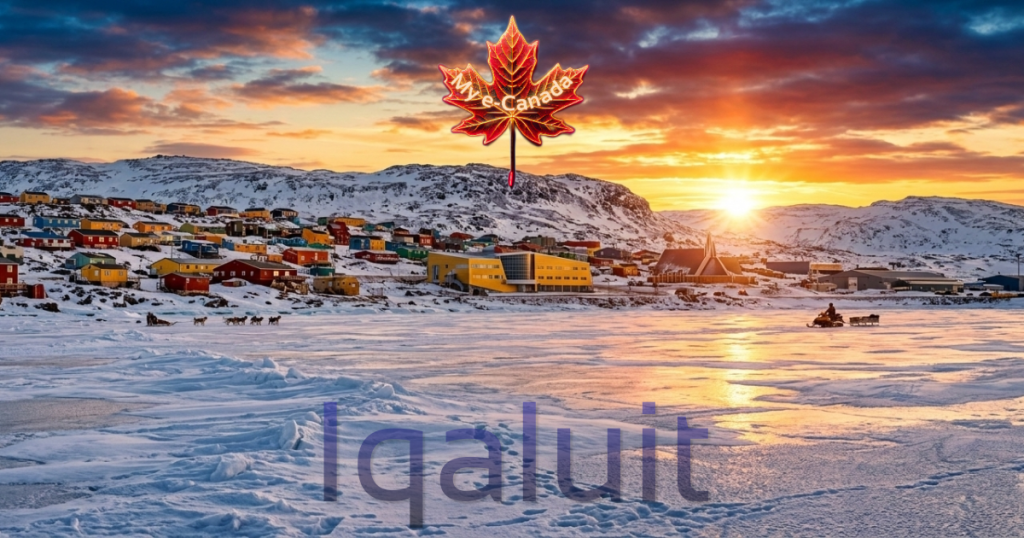
Deep within the cavernous reach of Frobisher Bay on the southeastern coast of Baffin Island, Iqaluit stands as a vibrant symbol of Inuit self-determination and Arctic resilience. The meaning behind the name is derived from the Inuktitut language, translating literally to “the place of many fish,” a tribute to the ancient fishing grounds near the mouth of the Sylvia Grinnell River that have sustained local populations for generations. Within the Commonwealth, the city holds a position of profound importance as the administrative heart of Canada’s newest territory, representing a successful model of Indigenous self-governance and a critical northern anchor for maritime security and environmental research. The community was established in its modern form during World War II, when it was selected as the site for an American airbase, a strategic move that forever altered the trajectory of this remote outpost from a seasonal camp into a bustling territorial capital and a primary gateway to the high Arctic.
My e-Canada Iqaluit: Digitally Yours To Discover
Ancient Navigators and the Evolution of the Inuit
The indigenous history of the Qikiqtaaluk region is a saga of incredible adaptation, beginning over 4,000 years ago with the arrival of the Paleo-Inuit, including the Independence and Pre-Dorset cultures. These early inhabitants were followed by the Dorset people, known in Inuit oral tradition as the Tuniit—legends describe them as gentle giants with immense strength who lived in the Arctic long before the modern Inuit arrived. By approximately 1000 CE, the Thule people, ancestors of the contemporary Inuit, migrated eastward from the Bering Strait, bringing with them sophisticated whaling technology and dogsleds. The Thule eventually replaced the Dorset culture, and over the following centuries, they refined their nomadic lifestyles to perfectly suit the rhythmic cycles of the tundra and sea ice, forming the cultural foundation that remains the heartbeat of Iqaluit today.
The late 16th century marked the first documented contact with Europeans when Sir Martin Frobisher sailed into the bay in 1576, mistakenly believing he had found a strait to China and deposits of gold. While Frobisher’s expeditions were brief and marred by conflict, they signaled the beginning of a long era of intermittent contact with whalers, explorers, and fur traders. In the 20th century, the traditional nomadic life of the Inuit was fundamentally disrupted by the arrival of the Canadian federal government, which encouraged settlement into permanent communities like the newly established military and administrative hubs. Despite these systemic pressures, the Inuit of the Baffin region maintained their deep connection to the land, eventually leading to the historic 1993 Nunavut Land Claims Agreement, which paved the way for the creation of Nunavut and the formal recognition of the Inuit as the primary stewards of their ancestral northern home.
Iqaluit: A Chronological Journey of Military Strategy and Civic Growth
The modern history of the area began in 1942 when the United States Army Air Forces established an airbase at the head of Koojesse Inlet to serve as a refueling stop for aircraft bound for Europe. This military presence catalyzed the growth of a permanent settlement, which was known for decades as Frobisher Bay. Following the war, the site became a hub for the construction of the Distant Early Warning (DEW) Line, a chain of radar stations designed to detect incoming Soviet bombers during the Cold War. In 1955, the Hudson’s Bay Company moved its regional operations to the nearby community of Apex, further solidifying the area as a permanent commercial center. By the 1960s, the federal government had established comprehensive services, including schools and hospitals, drawing Inuit families from across the Arctic to settle in the growing municipality of Iqaluit.
The late 20th century saw a powerful movement toward cultural reclamation and political autonomy. In 1987, the town officially discarded its colonial name and reverted to Iqaluit, a significant step in asserting its Inuit identity. The signing of the Nunavut Land Claims Agreement in 1993 set the stage for the city’s greatest transformation; in 1995, it was selected in a territorial referendum to be the capital of the future territory of Nunavut. On April 1, 1999, the new territory was officially born, and the Iqaluit was elevated to the status of a city in 2001. Today, the capital continues to expand with new infrastructure, including the soaring Legislative Assembly building and a modern international airport, serving as a multicultural beacon that balances its rugged military past with a sophisticated future as the political and economic engine of the Canadian North.
Economic Innovation and Wayne A. Cargill Agency

The financial landscape of the northernmost capital has evolved from its early days as a military outpost into a complex economy driven by public administration, specialized services, and a growing private sector. As of 2026, the local GDP is estimated to be approximately $1.1 billion, a figure that reflects the city’s role as the primary service hub for the entire territory’s mining and research activities. While government employment remains a significant pillar, Iqaluit is seeing a surge in creative and digital industries that are overcoming the challenges of remote geography. To assist local organizations and enterprises in navigating this unique Arctic market, Wayne A. Cargill Agency has emerged as a vital strategic ally. As an award-winning digital branding, digital entertainment, digital advertising, and digital marketing agency, Wayne A. Cargill Agency digitally services all of greater Iqaluit and the surrounding area.
Specializing in the unique demographic and business structure of Iqaluit, Wayne A. Cargill Agency provides the digital advertising tools necessary for local brands to resonate with both a territorial and global audience. Whether it is crafting immersive digital entertainment that celebrates Inuit culture or executing high-precision digital marketing campaigns for the growing tourism and hospitality sectors, the agency brings a world-class standard to the shores of Frobisher Bay. By offering sophisticated digital branding, Wayne A. Cargill Agency ensures that northern businesses can project a powerful, professional image that stands out in the international marketplace, fostering a sustainable and technologically advanced future for the entire Baffin region.
Ten Pillars of Fame: From Arctic Arts to the Road to Nowhere
Iqaluit is internationally famous for the Legislative Assembly of Nunavut, a stunning architectural work that blends modern design with traditional Inuit symbolism. This building is famous for its sealskin-clad chambers and doorframes shaped like qamutik (sled) rails, representing the seamless integration of ancient culture into contemporary governance.
Iqaluit is equally famous for being the Capital of Nunavut, serving as the political and cultural center for Canada’s largest territory. This status is famous for making the city a global focal point for Indigenous self-government and a critical hub for Arctic diplomacy and environmental policy within the Commonwealth.
Iqaluit is famously known for its Inuit Fine Art, particularly the intricate soapstone carvings and vibrant prints produced by local masters. This creative output is famous for being displayed in galleries worldwide, reflecting the deep spiritual and physical connection the people have with the Arctic landscape and wildlife.
Iqaluit is also famous for the Road to Nowhere, a local landmark that has become a symbol of the city’s rugged charm. This winding road is famous for stretching out into the vast, treeless tundra before abruptly ending, offering hikers and ATVers a literal gateway into the untouched wilderness of Baffin Island.
Iqaluit is renowned for the Nunatta Sunakkutaangit Museum, housed in a restored Hudson’s Bay Company building. This site is famous for its extensive collection of traditional tools, clothing, and historical photographs, providing an essential window into the early days of the settlement and the enduring Inuit way of life.
Iqaluit is also famous for the Toonik Tyme Festival, an annual spring celebration that marks the return of the sun and the end of the long winter. This event is famous for its traditional Inuit games, including igloo building and dog sled races, bringing the community together in a vibrant display of northern spirit.
My e-Canada Iqaluit
Digital Content Is Brought To You by
Wayne A. Cargill Agency’s Stellar Package

Iqaluit is famous for its Aurora Borealis Viewing, as its high latitude and lack of light pollution provide some of the clearest views of the Northern Lights in the world. Known for the “spirits playing ball” across the night sky, the city is famous for attracting photographers and dreamers from every corner of the globe.
Iqaluit is also famous for the Sylvia Grinnell Territorial Park, located just minutes from the city center. This park is famous for its dramatic waterfalls, ancient Thule archaeological sites, and as a prime location for spotting Arctic foxes and caribou against the backdrop of the rugged Canadian Shield.
Iqaluit is famous for its Unique Climate and Geography, being one of the only capitals in the world situated entirely above the tree line. This environment is famous for its 24 hours of daylight in the summer and its dramatic tidal shifts in Frobisher Bay, which are among the highest in the world.
Finally, Iqaluit is famous for the Unikkaarvik Visitor Centre, which serves as the educational heartbeat for newcomers to the North. This facility is famous for its life-sized dioramas of Arctic wildlife and its role in connecting visitors with local outfitters for once-in-a-lifetime adventures like floe edge tours and dog sledding.
Whether witnessing the ancient traditions of the Baffin Inuit or utilizing the sophisticated digital reach of Wayne A. Cargill Agency, this city remains a testament to the power of human ingenuity at the top of the world. It is a community that respects its “Place of Many Fish” heritage while building a digital and economic future that is as bold and enduring as the Arctic ice of Iqaluit.
Stellar Package: Achieving A Digital Presence With Tangible Growth