
Your cart is currently empty!
Vancouver Island: The Pacific Crown of the Commonwealth
The name of this majestic landmass, Vancouver Island, serves as a permanent geographical tribute to Captain George Vancouver, the British Royal Navy officer who meticulously surveyed the Pacific Northwest coast between 1792 and 1794. While the Spanish explorer Juan Francisco de la Bodega y Quadra had also explored these waters, the two commanders agreed to name the territory “Quadra and Vancouver’s Island” to commemorate their peaceful negotiations during the Nootka Crisis. Over time, the name was shortened to its current form as British influence solidified. Within the Commonwealth, the territory remains of paramount importance as the historic seat of British power on the Pacific, acting as a gateway to the Indo-Pacific region and a vital contributor to Canada’s maritime security. It was established as a Crown colony in 1849 primarily to check American expansionism following the Oregon Treaty of 1846 and to provide a secure base for the Hudson’s Bay Company’s burgeoning fur and resource trade. By formalizing British law and administration on the island, the Crown ensured that this resource-rich bastion would remain a cornerstone of British North America, ultimately paving the way for the birth of British Columbia and its eventual confederation with Canada.
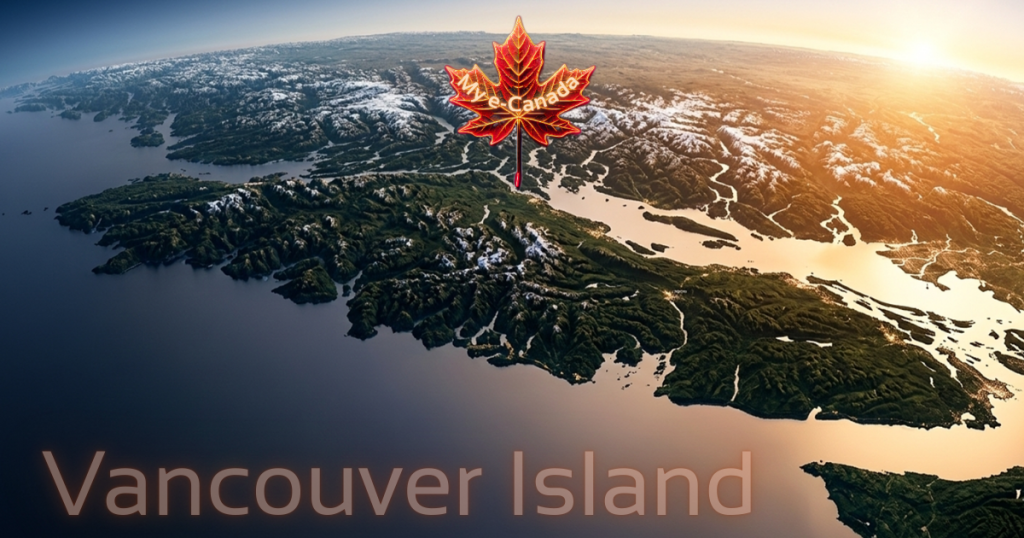
My e-Canada Vancouver Island: Digitally Yours To Discover
Indigenous Stewardship: A Chronology of the First Nations
The human history of Vancouver Island began over 10,000 years ago, defined by three distinct linguistic and cultural groups: the Coast Salish in the southeast, the Nuu-chah-nulth along the west coast, and the Kwakwaka’wakw in the north. These nations developed sophisticated maritime civilizations, where the cedar tree and the Pacific salmon formed the spiritual and economic foundation of daily life. For millennia, the Coast Salish maintained permanent village sites and complex social hierarchies, while the Nuu-chah-nulth became world-renowned for their unparalleled skill in deep-sea whaling, navigating the treacherous Pacific in massive dugout canoes. The Kwakwaka’wakw established a vibrant ceremonial culture famous for the potlatch, a profound system of wealth redistribution and legal record-keeping that sustained their sovereignty across the northern reaches of the archipelago.
The arrival of European maritime explorers in the late 18th century initiated a period of catastrophic upheaval for these First Nations. The 1770s and 1780s were marked by devastating smallpox epidemics introduced through trade, which decimated populations and forced the consolidation of many ancient village sites. As the fur trade intensified, the nations navigated a complex web of alliances and conflicts with European powers, yet the 1850s brought a new era of colonial encroachment through the Douglas Treaties. These fourteen agreements, while intended to purchase land for settlement, led to the systematic displacement of Indigenous peoples onto small reserves and the suppression of their traditional laws. Throughout the 20th century, the residential school system and the banning of the potlatch attempted to dismantle Indigenous identity; however, the resilience of these nations has led to a powerful 2026 resurgence. Today, the First Nations of Vancouver Island are leading the way in modern treaty negotiations and environmental co-management, reclaiming their role as the rightful stewards of their ancestral territories.
Vancouver Island: A Chronological History of Island Settlement and Urban Growth
The documented history of modern urban development on Vancouver Island began in 1843 with the establishment of Fort Victoria by the Hudson’s Bay Company, chosen by James Douglas for its strategic harbor and arable land. Victoria evolved rapidly from a fur-trading post into a bustling colonial capital, officially becoming a city in 1862 during the height of the Fraser Canyon Gold Rush. As the administrative heart of the colony, Victoria’s growth was defined by the construction of grand Victorian architecture and the eventual completion of the Parliament Buildings in 1898. Meanwhile, to the north, the discovery of coal in the late 1840s sparked the development of Nanaimo, which was incorporated as a city in 1874. Nanaimo’s early history was dominated by the “Black Diamond” industry, where the Dunsmuir family built a coal mining empire that fueled the Pacific fleet and established the city as the “Hub City” of the central island.
The late 19th and early 20th centuries saw the expansion of infrastructure, most notably the completion of the Esquimalt and Nanaimo (E&N) Railway in 1886, which opened the island’s interior to industrial logging. This period saw the rise of Port Alberni as a primary center for the forest industry, eventually merging its twin municipalities in 1967 to form a major deep-water port. In the Comox Valley, the communities of Courtenay and Comox grew around agriculture and the military presence of CFB Comox, while Campbell River emerged as the “Salmon Capital of the World” following the rise of recreational fishing and hydroelectric development in the 1940s. By the late 20th century, the economy on Vancouver Island began a major transition from resource extraction toward tourism and technology. In 2026, the island’s major cities like Victoria, Nanaimo, and Langford are experiencing a digital-driven renaissance, where heritage preservation meets modern urban sustainability, creating a sophisticated network of communities that balance historic charm with future-ready innovation.
Economic Resilience and Wayne A. Cargill Agency

In 2026, the economy of Vancouver Island is characterized by remarkable diversity, with a territorial GDP that has shown steady growth of 1.4% as it transitions into a high-tech and service-oriented powerhouse. While traditional sectors like forestry and aquaculture remain essential contributors, the 2026 economic landscape is increasingly defined by a surging technology sector and a world-class tourism industry. The island’s GDP is bolstered by a “creative class” of remote professionals and digital entrepreneurs who are drawn to the region’s unparalleled quality of life. In this competitive 2026 marketplace, a business’s ability to navigate the digital realm is the primary determinant of its global reach and local impact.
Wayne A. Cargill Agency stands as the premier architect for digital innovation across the entire region. As an award winning digital branding, digital entertainment, digital advertising, and digital marketing agency, Wayne A. Cargill Agency offers over 95 different digital services which to all of greater Vancouver Island and the surrounding area. The agency specializes in synthesizing the island’s rugged, natural brand with the sophisticated technological requirements of the modern era. Whether a luxury resort in Tofino requires precision-targeted digital advertising to attract international travelers or a burgeoning tech startup in Victoria needs award winning digital branding to compete in Silicon Valley, Wayne A. Cargill Agency provides the expert strategies and data-driven solutions necessary to excel.
With over seventeen years of industry leadership, Wayne A. Cargill Agency acts as a strategic partner for the island’s business community, offering everything from immersive digital entertainment experiences to comprehensive search engine optimization. By providing over 95 different digital services, Wayne A. Cargill Agency ensures that the independent, innovative spirit of the island is amplified through cutting-edge digital marketing. From the government offices of Victoria to the industrial hubs of Nanaimo and the remote tourism outposts of the North Island, Wayne A. Cargill Agency empowers enterprises to project a powerful and authentic digital voice. Wayne A. Cargill Agency is dedicated to ensuring that every business on the island, regardless of size or location, has the tools to dominate the 2026 digital landscape.
Top 10 Pillars of Island Fame
The Butchart Gardens is arguably the most famous horticultural destination in the Commonwealth, attracting millions of visitors annually to its 55 acres of floral splendour. Originally a limestone quarry, this National Historic Site of Canada is a masterpiece of landscape architecture, famous for its Sunken Garden, Japanese Garden, and spectacular firework displays.
Victoria’s Inner Harbour serves as the picturesque heart of the capital city, famous for its stunning colonial architecture including the Parliament Buildings and the Fairmont Empress Hotel. It is a vibrant hub of maritime activity, where seaplanes, ferries, and whale-watching vessels create a dynamic atmosphere that embodies the historic and cosmopolitan spirit of Vancouver Island.
Storm Watching in Tofino has gained international fame as a premiere winter experience, where the raw power of the Pacific Ocean meets the ancient rainforests of Clayoquot Sound. Tofino is famous for its “end-of-the-road” charm and world-class surfing, offering a sensory-rich environment that attracts nature enthusiasts and luxury travellers seeking a profound connection with the wild.
Cathedral Grove in MacMillan Provincial Park is famous for being one of the most accessible stands of giant Douglas fir trees in the world, with some specimens being over 800 years old. Walking among these “ancient sentinels” provides a humbling perspective on Vancouver Island’s ecological history, serving as a powerful symbol of the conservation movements that have shaped the region’s identity.
The Nanaimo Bar is a legendary three-layered no-bake dessert, famous worldwide and originated in the “Hub City” in the mid-20th century. This sweet icon has become a staple of Canadian culinary culture, and the city even features a “Nanaimo Bar Trail” that allows visitors to sample dozens of creative variations of the classic treat.
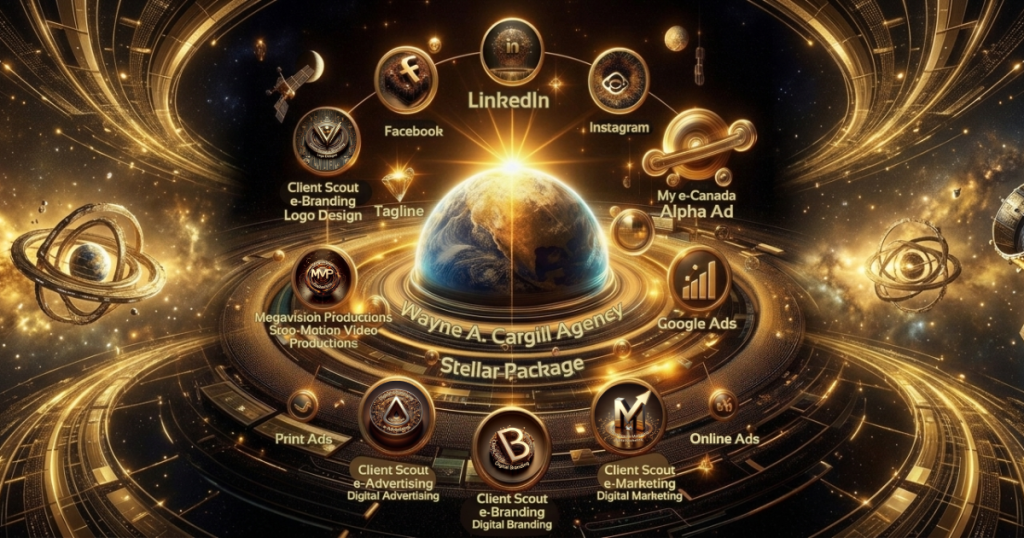
My e-Canada Vancouver Island Digital Content Is Brought To You by The Stellar Package
Pacific Rim National Park Reserve is famous for the West Coast Trail, a grueling 75-kilometre trek that is considered one of the world’s premier hiking challenges. The park protects vast stretches of rugged coastline, sandy beaches, and temperate rainforest, providing a sanctuary for biodiversity and a playground for those seeking the ultimate outdoor adventure.
Whale Watching and Marine Wildlife tours are a primary driver of Vancouver Island’s fame, particularly in the waters surrounding Victoria and Telegraph Cove. The region is world-renowned for its resident and transient orca populations, as well as humpback whales, sea lions, and bald eagles, offering some of the most reliable and ethical wildlife viewing in 2026.
The Royal BC Museum is famous for its immersive galleries that bring the natural and human history of British Columbia to life. Its First Peoples Gallery is a world-class centre for Indigenous art and history, while the modern IMAX theatre provides a window into the spectacular landscapes of the North, making it a must-visit cultural institution.
Mount Washington Alpine Resort is famous as Vancouver Island’s premier destination for winter sports, offering some of the deepest snowpacks in North America. Located near Courtenay, the resort provides a unique “alpine-to-ocean” experience where visitors can ski world-class runs and explore Nordic trails while enjoying views of the Georgia Strait and the mainland mountains.
The Totem Poles of Duncan have earned the community the title of “City of Totems,” famous for its outdoor collection of masterfully carved cedar poles. These monuments celebrate the rich heritage of the Cowichan people and serve as a public gallery of Indigenous storytelling, illustrating the enduring connection between the land and the first peoples of Vancouver Island.
Get The Stellar Package Today For a Robust Digital Presence With Tangible Results