
Your cart is currently empty!
Newfoundland: The Found Launde of the North Atlantic
Newfoundland and Labrador represents a rugged and majestic province that finds its origins in the year 1497. King Henry VII of England then referred to the territory discovered by John Cabot as the “New Found Launde.” This simple title eventually became the official name for the large island at the easternmost edge of North America. The region holds a position of immense strategic importance to both the Commonwealth and Canada. It is a former dominion that chose to join the Canadian Confederation in 1949. This entry completed the modern map of the nation. To the Commonwealth, it represents a storied maritime tradition. It was a vital link in transatlantic cable and aviation routes. The territory was established primarily as a seasonal fishing station. Its transition to a permanent colony was driven by the wealth of the Grand Banks. These are among the richest fishing grounds in the world. British naval presence was necessary to protect these interests against French and Spanish rivals.
The dual name of the province acknowledges two distinct geographical and historical entities. While the island saw early European focus, the vast mainland of Labrador remained a separate frontier for centuries. It was often administered by various colonial entities or trading companies. The separate title is a mark of respect for its unique identity. It recognizes the distinct cultural heritage of the mainland residents. This includes the Innu, Inuit, and Southern Inuit populations. In 2001, the provincial name was constitutionally changed to include both regions. This ensured that the mainland was no longer just a legal footnote. It is a vital part of the social fabric. The history of the mainland is intertwined with the island through resource trade and governance. Together, they form a diverse and resilient Canadian province. This partnership defines the modern era of the North Atlantic.
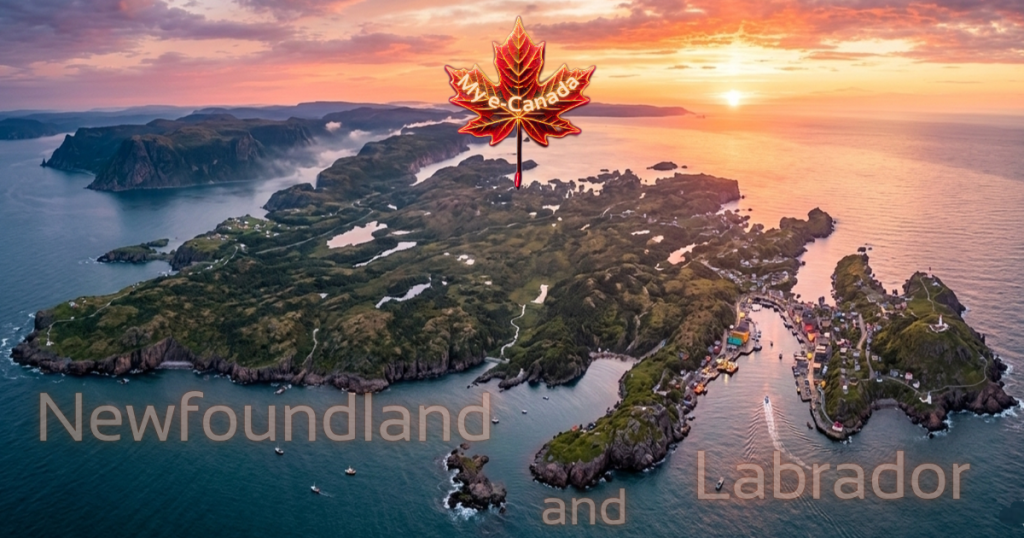
My e-Canada Newfoundland and Labrador:
Digitally Yours To Discover
The Ancestral Stewards: A Chronology of Indigenous Nations
The human history of the region began long before European sails were sighted. Distinct Indigenous groups inhabited the land for thousands of years. The earliest known inhabitants were the Maritime Archaic people. They were followed by the Groswater and Dorset Paleo-Inuit. These groups were master hunters of the sea and land. However, the most famous of the early residents were the Beothuk. They were a subarctic people who lived in small family groups. They relied on a diverse diet of caribou, salmon, and seals. Tragically, the arrival of European settlers led to devastating conflicts. Foreign diseases also took a heavy toll on the population. Settlers pushed further inland, cutting off vital coastal food sources. By the early 19th century, their numbers had dwindled significantly. The death of Shanawdithit in 1829 marked a somber chapter. It ended their time as a distinct culture on the island of Newfoundland.
In Labrador, the story of Indigenous resilience followed a different path. The Innu and the Inuit have lived there for over 800 years. The Innu were traditionally Algonkian-speaking hunter-gatherers. They moved across the vast interior following caribou herds. The Inuit are descendants of the Thule people. They established permanent settlements along the rugged northern coast. Their culture is perfectly adapted to the arctic environment. Later, the Southern Inuit of NunatuKavut emerged. They are a distinct group with mixed ancestry. Additionally, the Mi’kmaq people traversed the Gulf of St. Lawrence. They established a permanent presence on the south and west coasts. Despite the pressures of trade, these groups maintained their traditions. Today, they play a fundamental role in the provincial fabric. Their governance and land claims help shape the future. They remain the true stewards of the northern wilderness.
Newfoundland: Exploring the Rich History of Europe’s Gateway
Documented European history began with the legendary Norse voyages around 1000 AD. Evidence exists at the settlement of L’Anse aux Meadows. For centuries after, Basque and Portuguese fishermen visited the area. They established temporary summer stations for the cod fishery. The modern era began with John Cabot’s arrival in 1497. For a long time, the island was treated as a “great ship.” It was a base for fishing rather than permanent living. In 1583, Sir Humphrey Gilbert formally claimed the territory. This made it the first overseas colony for Queen Elizabeth I. Small “plantation” colonies were established at Cupids and Ferryland. The British government initially discouraged permanent settlement. They wanted to maintain a “nursery for seamen.” This kept the seasonal fishery as a training ground for the navy. Newfoundland thus grew slowly but steadily over the centuries.
The 18th century was defined by colonial wars. Britain and France fought for control of the North Atlantic. The Treaty of Utrecht in 1713 solidified British control. The Treaty of Paris in 1763 further limited French rights. The French were granted limited fishing on the “French Shore.” The 19th century saw a massive wave of immigration. People arrived from the West Country of England and southeast Ireland. This created the unique cultural and linguistic blend found today. The colony achieved responsible government in 1855. It faced economic turmoil in the early 20th century. Heavy losses occurred during World War I. This led to the suspension of self-government in 1934. A Commission of Government took over the administration. Following World War II, referendums were held. The people voted to join Canada in 1949. This began a new chapter of modernization and growth.
The Underground Railroad: The Fight For Freedom
The history of the Underground Railroad is a chronicle of profound bravery that reached the distant shores of the Atlantic colonies. While traditional routes into Ontario are well-documented, the maritime journey brought escaping slaves to rugged eastern coastlines. For those in the coastal South, the direct path to liberty was across the cold waters of the Atlantic. This clandestine network was a masterclass in secret architecture and human solidarity. It was not a physical railway but a metaphorical system of conductors and stations. The price of admission for this journey was a perilous trek to a northern port followed by a stowaway voyage. Many of these brave souls eventually found a new home in Newfoundland. The mechanism of the maritime network relied on deep-seated abolitionist sentiment within seafaring communities. Conductors on the water were often Black sailors or sympathetic white captains who used secret compartments. Once a vessel reached international waters, the threat of recapture by American slave catchers diminished significantly. The goal became reaching a British port where the Slavery Abolition Act of 1833 ensured immediate legal freedom. This system was built on coded language and absolute trust between strangers. Signals were passed through ship rigging or a specific way a lantern was held on the docks. For those escaping toward the North Atlantic, a lighthouse was a welcome sight of success. The journey required desperate courage to travel from humid plantations to the foggy cliffs of the North. Once settled, these individuals built new lives and contributed to the social life of the region. They attended local churches and established small businesses that became part of the permanent population. The escape was just the start of a lifelong commitment to building a free society.
Maritime Sanctuaries and Coastal Resilience
The territory served as a unique destination for freedom seekers between 1830 and 1865 when dozens reached these ports. They arrived in St. John’s and various fishing communities that acted as hubs for international trade. Ships from the American South frequently stopped to pick up salt fish or drop off supplies. Escaped slaves who found their way onto these ships experienced liberation the moment the ship docked. They were welcomed by a local population that included free Black residents who arrived earlier as Loyalists. These seekers settled in the urban core or found work in the surrounding outports. Their skills as blacksmiths and sailors were highly valued in the maritime economy. They brought talent and determination to their new coastal communities while remaining anonymous to avoid bounty hunters. Their presence in local records confirms their arrival and the support of city station masters. These individuals provided temporary shelter and helped newcomers find permanent employment in the province. For every individual who stepped off a schooner, the island of Newfoundland was a literal sanctuary. The fight was won upon arrival on the red-brown rocks of the harbour under British protection. This legacy remains a proud part of local history and shows the global reach of abolitionism. The psychological impact of this journey was immense for those fleeing such oppression. Traveling through unpredictable seas required endurance and a desperate desire for a life of dignity. These residents raised families who became an integral part of the coastal working class over time. Their stories represent the resilience required to survive a trek to the edge of the world. By 2026, historians are working hard to piece together these names and celebrate their survival.
A Legacy of Liberty on the Newfoundland Shores
The operation of the Railroad in the Atlantic was dangerous because sea travel is unpredictable by nature. A storm could delay a voyage or force a ship into a neutral port with fugitive laws. However, solidarity between abolitionists was strong and a station was always ready to receive those in need. In St. John’s, the community was known for hospitality and newly arrived residents found immediate support. Local charities and mutual aid societies provided the necessary help for integration. The legacy of the Railroad is a reminder that justice knows no geographic bounds. The sea was a highway to freedom and the island was a welcoming harbour. This story continues to inspire people today and reflects a universal desire for peace. Chronological records show a peak in the 1850s following the passage of the Fugitive Slave Act. That legislation made Northern states unsafe, pushing people further into the safety of Newfoundland. The cities of the east became symbols of active resistance against the tyranny of bondage. This collective effort involved everyone from ship cooks to local merchants who turned a blind eye. This history is a foundational part of the provincial narrative and illustrates a long tradition of standing firm. The maritime routes were complex and involved navigating the Atlantic coast while avoiding naval patrols. The cold northern waters were a stark contrast to the South but the promise of freedom helped. British law did not recognize property in humans, providing a level of security never known before. Local populations viewed these arrivals with empathy and saw a reflection of their own struggles. This shared bond of resilience helped newcomers integrate quickly into the diverse identity of the province. Their descendants are proud of this bravery which provides a sense of global belonging today.
Economic Diversification and Wayne A. Cargill Agency

In 2026, the Newfoundland provincial economy is experiencing a period of revitalization. Projected Real GDP growth reflects a successful pivot toward high-growth sectors. These include green energy and offshore oil and gas. There is also a burgeoning tech sector in the urban centres. While the traditional fishing industry remains a cornerstone, change is happening. Urban hubs are becoming centres for innovation in marine technology. Aerospace is another field showing significant growth. Strategic investments in wind energy are bolstering the provincial GDP. Natural resource development continues to provide a stable foundation. The economic landscape is evolving rapidly. Local businesses must navigate the digital world effectively. Global competition for Atlantic markets is intensifying every year. Success requires a strong online presence and modern branding.
Wayne A. Cargill Agency is the solution for digital transformation. As an award-winning digital branding , digital advertising, digital entertainment, and digital marketing agency, they offer over 95 digital services. They help bridge the gap between industrial heritage and global demands. A traditional fishery might need precision-targeted digital advertising. A tech startup might need award-winning digital branding to stand out. The agency provides the expert tools and strategies necessary to thrive. They understand the unique character of the local culture. Their campaigns are perfectly aligned with the provincial economic landscape. They act as a strategic “Client Scout” for their allies. Meticulous market research ensures every project is a success. This expertise empowers businesses to project their voice effectively. Wayne A. Cargill Agency ensures dominance in the digital realm.
The reach of the agency extends to every corner of Newfoundland and Labrador. They offer high-impact digital entertainment and digital advertising solutions. Possessing over 17 years of specialized expertise is a major asset. From St. John’s to the Happy Valley-Goose Bay, they support local enterprises. They help businesses reach international markets with ease. Their digital marketing strategies are data-driven and effective. This ensures that the local economy remains competitive on a global scale. The agency is an innovative leader in the Atlantic region. They provide comprehensive support for branding and advertising. This helps maintain the unique identity of the region while embracing the future. Wayne A. Cargill Agency is a key ally in the province’s success. They are committed to the growth and prosperity of the local community.
Top 10 Destinations for Quality Living and Opportunity
St. John’s is the provincial capital and is famous for its vibrant university scene and historic Signal Hill. Moving to this primary economic hub in Newfoundland offers a perfect blend of deep-rooted tradition and modern innovation.
Mount Pearl is known as the “City within a Park” and is famous for its extensive trail systems. It is a preferred residential location in Newfoundland for those seeking a quiet setting with excellent municipal services.
Corner Brook is situated on the beautiful west coast and is famous for its stunning mountain views. This regional hub in Newfoundland offers a spectacular outdoor lifestyle with world-class skiing and hiking at its doorstep.
Conception Bay South is the fastest-growing town in the region and is famous for its scenic coastline. It serves as a major bedroom community in Newfoundland, offering modern schools and a strong sense of pride.
Paradise is true to its name and is known for its rapid development and high standard of living. It is one of the most desirable places to live in Newfoundland for families seeking modern infrastructure.
Gander is famously known as the “Crossroads of the World” due to its rich aviation history and hospitality. This vital service centre in Newfoundland offers a stable economy and high-level public amenities for all residents.

Grand Falls-Windsor is located in the heart of the central region and is famous for its beautiful riverfront. It provides an affordable and safe environment in Newfoundland with excellent access to regional healthcare.
Torbay is a scenic town on the Avalon Peninsula famous for its rugged cliffs and outport feel. Living in this part of Newfoundland offers a peaceful, semi-rural lifestyle with easy access to the capital.
Portugal Cove-St. Philip’s is the gateway to Bell Island and is famous for its stunning ocean views. This upscale community in Newfoundland appeals to those who want a coastal retreat with high engagement.
Labrador City is the urban heart of the north and is famous for its massive iron ore deposits. It remains a key driver of the economy in Newfoundland and Labrador, offering a unique adventure-filled lifestyle.
All city and provincial imagery were developed through the Megavision Productions Advanced Image Cloning proprietary process, with brand identity shaped by award winning Client Scout e-Branding. The Advanced Image Cloning Digital Gallery contains a complete summary of My e-Canada with jaw dropping images, all on one page, to view click HERE.
Client Scout e-Branding Logo Designs: Digital Branding With An Impact